Monetization project - Netflix | GrowthX
Monetization project
📄

Monetization project


Step 1: Define the Product & Build ICPs


Product Overview – Netflix

Product: Netflix (India)
Type: B2C OTT streaming platform
Core Value Proposition:

  • Unlimited on-demand access to a wide library of TV shows, movies, documentaries, and original content
  • Cross-device accessibility (TV, mobile, laptop)
  • Personalized recommendations using AI/ML
  • Ad-free viewing (for premium users)
    Problem Solved:
    Entertainment that is on-demand, global, and personalized, eliminating the constraints of time slots, channels, or cable.

ICP Table

ParameterICP 1 – Value-SeekersICP 2 – Entertainment Enthusiasts

Persona

Budget-conscious college students or single users

Nuclear families, working professionals

Age Group

18–28

28–45

Motivation

Binge-watch trending content at low cost

Regular content consumption across genres & devices

Device Used

Primarily mobile

Smart TV, laptop, tablet

Viewing Pattern

Night & weekend bingeing

Daily family viewing, cross-genre

Subscription Plan

Mobile-only ₹149 or basic plan

Standard (₹499) or Premium (₹649)

Churn Risk

High (price-sensitive)

Low (value-driven, family/shared usage)

Valued Features

Pricing, trending recommendations

Content library, simultaneous streams, 4K quality


Step 2: Monetization Litmus Test


Retention Graph
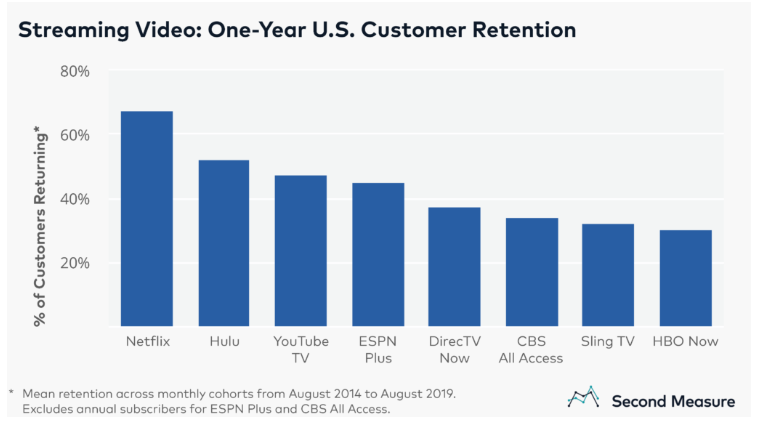
image.png

image.png

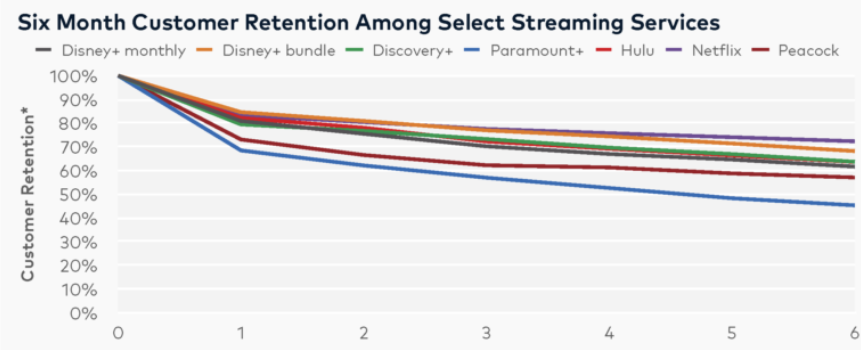
From the above data we can that Netflix has a great retention rate and retention graph depicts a flattening retention curve which highlights the product readiness to monetization.

MetricObservationVerdict

ICP 1

Smile-shaped retention – return with new seasons

Moderate

ICP 2

Flattening retention curve after 30 days of activation

Strong retention

Conclusion: ICP 2 shows higher retention due to deeper engagement with content, shared/family usage.


Depth of Engagement

Engagement SignalsICP 1ICP 2

Watch time per week

3–5 hours

8–12 hours

No. of devices

Single (mobile only)

2–4 devices

Genres consumed

Mostly popular/top 10

Diverse – regional, thriller, kids, docu

Features used

Download for offline

Profiles, My List, Skip Intros

Revenue Potential

₹149–₹199/mo

₹499–₹649/mo

Conclusion: Depth of engagement is strong in ICP 2, medium in ICP 1.


Willingness to Pay (WTP) Test

Step-by-step:

  1. List all ICPs – Done above
  2. Define and select qualifying ICPs – ICP 2 qualifies with high WTP
  3. Identify their problems:
    • ICP 1: Price sensitivity, limited screen access
    • ICP 2: Limited access to local/regional content at times
  4. Test hypothesis:
    • ICP 2 is willing to pay ₹499–₹649/mo for value
    • ICP 1 needs subsidized plans or ad-supported models
  5. Scale sample set:
    • Run pricing and feature A/B tests by device, geography, and content preference

Litmus Test Verdict

DimensionPass/FailWhy?

Retention

Pass

ICP 2 shows stable or flat retention curve

Depth of Engagement

Pass

Core users use multiple features & high viewing time

Willingness to Pay

Pass (ICP 2)

Willing to pay ₹500–650/mo. For ICP 1, monetization may require alternate models

Verdict: Netflix is ready to be monetized further, especially for ICP 2.

For ICP 1, we might explore hybrid models like:

  • Ad-supported free tiers
  • Content bundles with telecom partners
  • Referral-based discounts


Step 1: Monetization Litmus Test Summary

DimensionPass/FailRationale

Retention

Pass

High D30 retention among Core & Power users

Depth of Engagement

Pass

Users consume 10–15+ hours/month, multiple profiles, high-content variety

Willingness to Pay

Pass

₹499–₹649 plans work for families and premium users; Mobile plan for value-seekers

Netflix has cleared the litmus test. Now, let’s double down on monetization improvement:


Focus Area 1: Improve Free to Paid Conversion

Goal: Convert mobile-only, shared accounts, and trial users into full-paying subscribers.

Experiment 1: Limited-Time Premium Preview ("Taste of Premium")

Mechanism

Users on ₹149 mobile plan get 7-day access to Premium (₹649) on all devices

Touchpoints

In-app pop-up → “Try Premium Free for 7 Days” + Email reminder on Day 5

Milestones

Highlight: 4K quality, multi-device access, download limits removed

CTA

“Upgrade Now & Get ₹100 Cashback”

Goal

15–20% uplift in conversion from mobile to premium


Experiment 2: "Unlock Originals" Gated Access

Mechanism

Allow access to trailers of Netflix Originals but gate full access to paid users

Touchpoints

In-app preview wall, social teaser campaigns

Milestones

On-click preview → Trigger “Subscribe to Unlock Full Episode” CTA

CTA

“Binge the full season now – ₹149/month”

Goal

10% uplift in trial → paid conversion among new users


Experiment 3: Personalized Email Journey Based on Genre Preference

Mechanism

Use past watch behavior (e.g. thriller/kids) to send personalized upgrade prompts

Touchpoints

Weekly emails + WhatsApp nudges

Milestones

After 3+ hours of watch time in one genre, suggest Premium Plan with similar titles

CTA

“Liked

Delhi Crime

? Get Full Access to Similar Crime Stories – Go Premium”

Goal

Increase email CTR > 8%, conversion > 5%


Focus Area 2: Increase Average Order Value (AOV) via Cross-sell & Up-sell

Goal: Get existing users to pay more through bundles, add-ons, or upgrades.

Experiment 4: Add-on Bundle – “Netflix Family Plus”

Mechanism

Offer add-on content bundles (e.g. Netflix Kids, Netflix Regional Pack)

Touchpoints

In-app upsell screen + end-of-episode prompt

Bundles

+₹79/month → Kids Pack (cartoons, filters, parental lock)

Goal

15% attach rate on base Family plan users


Experiment 5: Smart Content Bundling using AI

Mechanism

AI-powered recommendations based on past watch → suggest add-on bundle

Example

“You watch thrillers. Try

True Crime Bundle

– ₹49/month”

Touchpoints

Home page, end of show screen

Goal

Uplift attach rate per user by ₹50/month


Experiment 6: Annual Plan Upgrade Campaign

Mechanism

Offer 15% discount on upfront annual payment for Premium Plan

Touchpoints

Email + push + app banner

Timing

Triggered at month 10–12 of subscription

Goal

20% of Premium users shift to annual plan


GTM for a New Monetized Feature (e.g. Ad-Supported Tier)

If Netflix introduces an Ad-Supported Plan (₹99/month) to target low-income users:

GTM Strategy:

TouchpointExecution

In-App Prompt

Highlight the trade-off: “₹50/month less – watch with 3 ads per hour”

Email + WhatsApp

Educate on difference in plans visually

Social Ads

Target college students / Bharat Tier 2–3 regions

Key Messaging

“All your shows. Same app. Less cost.”

Trust Building

“Used by 20L+ mobile users who love their shows – now cheaper than ever”


What Are Netflix Customers Paying For?

They're paying for…

On-demand entertainment

— Watch anytime, anywhere

Ad-free experience

— No interruptions like YouTube or TV

Cross-device flexibility

— Mobile, tablet, TV, laptop

Personalized content

— Smart recommendations save time

Exclusive shows & originals

— Stranger Things, Sacred Games, etc.

Multi-profile sharing

— Tailored experience for family members

Insight: Customers aren’t paying just for content. They’re paying for control, convenience, and premium curation.


What Aspects Matter Most to Netflix Users? (Pricing Priorities)

FeatureImportance to UsersShould We Price For It?Why?

Convenience

Very High

Yes

Netflix wins on multi-device and on-demand flexibility

Content Library

High

Yes

Exclusive originals = loyalty driver

Ad-free Experience

Medium

Yes

Users tolerate some ads for cost savings (Ad-tier)

Offline Viewing

Medium

Optional

Useful but niche use case

Simultaneous Streams

High

Yes

Family/shared usage key driver for Premium plan


Netflix vs Substitutes – Comparison Table

Substitute / FactorConveniencePhysical EffortPricing (INR/mo)Key UsersOther Gaps

Netflix

Very Easy

None

₹149–₹649

Urban families, young professionals

Costlier, requires internet

Cable TV (DTH)

Low

High

₹250–₹400

Older users, non-tech-savvy households

No flexibility, no recommendation engine

YouTube (Free)

High

None

₹0

Mass audience, mobile-first users

Ad-heavy, limited long-form storytelling

Amazon Prime Video

Easy

None

₹299/month (bundled)

Value-seekers, shopping-centric users

Smaller content library, less Originals

Hotstar (Free + Paid)

Easy

None

₹299–₹1499/year

Cricket fans, Hindi TV drama viewers

Ads on lower tiers, less premium UX

Torrent + VLC

Difficult

High

Free (indirect)

Students, piracy users

Illegal, no discovery, poor UI


Where Does Netflix Stand Out? (Pricing Edge)

Netflix EdgeCompetitor LacksCan We Charge For It?

Premium Originals & Global Hits

Hotstar, Cable, YouTube

Yes – Justifies Premium tier

Instant Access on Any Device

Cable, Prime (delayed on some devices)

Yes – Multi-device flexibility sells

Multi-profile personalization

Most platforms

Yes – Justifies Standard/Family pricing

Ad-Free streaming

YouTube, Hotstar (free), Cable

Yes – Charge a premium for ad-free UX

High bingeability UX (auto-play)

Cable, Prime

Optional – Differentiates but not core


How Should Netflix Be Positioned?

Pricing Positioning Strategy


Tiered Pricing to Match Value Delivered

: From mobile-only (₹149) to 4K premium (₹649)

Premium = Control

: Multiple profiles, device access, ultra-HD, no ads

Introduce Ad-Supported Tier

: New ₹99/month for price-sensitive viewers

Bundle Opportunity

: Tie up with ISPs, mobile plans (Jio, Airtel) to increase reach

Key Factors Before Setting Pricing

FactorNetflix Consideration

Device penetration

80% of India is mobile-first – push mobile plan

Shared household behavior

Justifies 2–4 screen pricing tiers

Local vs global content

Regional dubbing & content = more value-per-rupee

Competitor pressure

Prime is cheaper but less sticky content

Economic sensitivity

Inflation-sensitive base = hybrid pricing needed


Step 1: Baseline Scenario

Let’s assume we are introducing pricing for a subset of Netflix India users who are currently on the mobile-only free trial or previously churned.

Baseline Case

Total Non-Revenue Users

1,000 users

Conversion Rate (trial → paid)

40%

Pricing Introduced

₹100/month

Paying Users After Pricing

400 users

Monthly Revenue

₹40,000/month


Step 2: Segmenting Users – RFM Analysis & Elasticity Testing

We'll use RFM (Recency, Frequency, Monetary) to segment users into Casual, Core, and Power buckets and then simulate how they respond to pricing.

RFM Grid Interpretation for Netflix Users

Segment

Recency (R)

Frequency (F)

Monetary (M)

Behavior Insight

Casual

Low

Low

Low

Watch occasionally, mostly trending content

Core

Medium

Medium-high

Medium

Regular users with specific preferences

Power

High

High

High

Daily watchers, multiple profiles, all devices


Elasticity Table: Pricing Test for Each Segment

Segment

Users

Pricing Tested

Conversion Rate

Churn Rate

Revenue/User

Monthly Revenue

Comments

Casual

400

₹99

15%

40%

₹99

₹5,940

Highly price-sensitive

Core

400

₹199

40%

20%

₹199

₹31,840

Mid-price balance

Power

200

₹649

70%

10%

₹649

₹90,860

Low churn, high LTV

Observation:

  • Casual users generate the least revenue and are most churn-prone.
  • Core users offer the best price-to-churn balance.
  • Power users are price inelastic and deliver maximum monetization.

Step 3: Visualize Pricing Sensitivity

Elasticity Outcome Chart

Segment

Elasticity

Pricing Strategy

Casual

High

Freemium + Ads + ₹99

Core

Medium

Standard ₹199–₹499 Plan

Power

Low

₹649 Premium Plan


Final Recommendation – Whom to Charge, and How

User Type

Segment Traits

Charge Model

Justification

Casual

Low RFM, low retention

Freemium + ads (or ₹99 plan)

High churn risk—don't gate with price alone

Core

Medium RFM, stable engagement

₹199–₹499 tiered plans

Moderate elasticity—ideal upgrade candidates

Power

High RFM, multi-device, family watchers

₹649 Premium plan (or Annual)

Loyalists/Champions—premium pricing is sustainable


Step 1: Identifying What Determines Value for Netflix Users

Let’s categorize the core benefits Netflix offers under key value dimensions:

Goal TypeNetflix Value Proposition

Functional

On-demand entertainment, anytime/anywhere, curated content recommendations, no ads

Personal

Relaxation, escapism, family bonding, stress relief through storytelling and binge-watching

Financial

Saves money compared to going to theaters, buying DVDs, or subscribing to multiple TV channels

Social

Watching trending/popular shows (e.g. Squid Game, Sacred Games) gives users cultural relevance & talking points

Netflix satisfies all 4 types of value, especially Functional + Social for Casual users, and Functional + Personal for Core/Power users.


Step 2: Competitor Benchmarking

Feature/Benefit

NetflixAmazon Prime VideoDisney+ HotstarYouTube (Free)

Global Originals

✅ Strong catalog

Moderate (some)

Moderate

❌ Mostly local creators

Multi-device Streaming

Personalized Recommendations

✅ Excellent

Medium

Medium

❌ Very limited

Ad-free Experience

❌ (ads on most content)

❌ Ad-heavy

Regional Language Options

❌ Inconsistent

Price

₹149–₹649

₹299/year (bundled)

₹299–₹1499/year

Free

Netflix vs Competitors:

  • Differentiators: Deep personalization, top global originals, frictionless binge UX
  • Pricing Gap: Perceived value needs to be much higher to justify 2–3x pricing over Prime/Hotstar

Step 3: Quantify the Value Netflix Provides

We can evaluate perceived value using both emotional + rational outcomes:

Value MetricUser Insight / ImpactQuantification

Time Saved

No ads, binge-ready UI, instant play

Saves ~15 mins/hour of watch time

Money Saved

Compared to ₹400/month DTH, Netflix mobile at ₹149 is cheaper

₹250+ saved per month

Personal Impact

Improved bonding, “me time” routines

3–5 hours/week of stress-free time

Social Proof

Access to what’s trending (FOMO)

Talk-of-the-town shows = relevance

Perceived Control

Pause, resume, skip intro, downloads

Users feel “in control” of what they watch

For Netflix’s pricing to feel justified, these values must be shown clearly across the user journey.


Step 4: Map the User Journey and Insert Pricing at Peak Value Perception

Let’s now map how Netflix can introduce pricing only after delivering sufficient perceived value — similar to how Tinder delays its paywall.

User Journey: Mobile Trial Plan → Paid Conversion

StageUser ActionPerceived Value BuiltTrigger for Monetization

Day 0

Sign-up via mobile plan trial

“Free Netflix? Let’s explore.”

No monetization yet

Day 2–4

Starts binge-watching 1st series

Auto-play, no ads, resume from last point → effortless consumption

Highlight “watch in HD on TV” option

Day 5–7

Adds to My List, creates profile

Personalized UX – “This is

my

Netflix”

Show “Unlock multi-device access” message

Day 7–10

Watches 4+ episodes or 2+ series started

Algorithm shows perfect suggestions, FOMO on Originals

Show “Get all episodes in HD” banner

Day 14+

Starts using daily

Dependency built, app is now a habit

Insert pricing prompt with value summary

Pricing Hook Example (Post Day 10):

“You’ve watched 5+ hours this week! Unlock 4K HD, ad-free bingeing on your TV — just ₹199/month.”

This pricing message works because:

  • It's timed after value delivery
  • Reinforces key differentiators (HD, multi-device, binge)
  • Shows value already consumed (watch hours, saved time)

Summary Framework: Perceived Value > Perceived Price

ICPPerceived Value DriversIdeal Pricing TimeRecommended Plan

Casual Viewer

Access + Ad-free + Trending Shows (Social)

After 2–3 hours of watch

Ad-supported or ₹99 mobile

Core Binger

Personalization + No Ads + Multi-device (Personal)

After 4–5 days of usage

Standard ₹499

Power Family

Family control + HD + Kids filters (Functional)

After 7–10 days, >5 hours/week

Premium ₹649 or annual


Netflix's Core Value Proposition

“Unlimited access to premium, ad-free, personalized entertainment across devices, anytime, anywhere.”

So we must price in a way that aligns with this promise.


What Should Netflix Charge For?

Pricing LeverApplication to NetflixShould Netflix Charge?Rationale

1. Time

Monthly/Annual plans (₹149–₹649)

✅ Yes (Primary model)

Users expect unlimited streaming over time. This is the most intuitive and fair pricing basis.

2. Output

Charge per movie/show/episode (pay-per-view)

❌ No (For now)

Contradicts binge culture and Netflix’s core promise of unlimited consumption.

3. Access

Charge for access to premium features like 4K, downloads, or multi-device

✅ Yes

Used effectively now via tiered plans (e.g., ₹149 mobile-only vs ₹649 premium).

4. Shareability

Charge for profile sharing or multi-user streaming (e.g., Family or Duo plans)

✅ Yes

Already in play. High perceived value for households and shared usage.


✅ Final Recommendation: What to Charge For

What to Charge ForPricing LeverReason

Subscription Period (monthly/yearly)

Time

Core revenue stream that fits unlimited consumption behavior

Higher Access (HD/4K, downloads)

Access

Premium utility for users who want high-quality, flexible viewing

Multiple Streams / Profile Sharing

Shareability

Families and friends place high value on co-usage

Not charging per movie/episode

Output

Breaks UX and perceived value of Netflix’s “unlimited binge” model


Optional Add-On Experiments (Based on Pricing Levers)

Add-onPricing LeverWhy It Might Work

“Kids-only Bundle” (₹79/mo)

Access

For parents who want a curated, safe space for kids

“Regional Pack” (₹49/mo)

Access

Adds hyperlocal content for regional users

“Weekly Pass” (₹29–49)

Time

Great for casual users during festivals or vacations

“Add 1 Extra Member” (₹99/mo)

Shareability

For roommates or couples – an easy step-up from solo plans


Netflix-Like Monetization Example (for device/partner model)

ComponentTypeSuggested FeeRationale

Device/TV OS Integration Fee

Fixed

₹200/device

OEMs (Sony, Xiaomi, etc.) pay to pre-install

Partner Account Setup

Fixed

₹100

Telecom partners like Jio/Airtel onboarding cost

Revenue Share from Data Plan Bundle

Variable

15–20%

Shared from Jio Fiber/ACT bundles with Netflix

Premium Content Access Fee

Variable

₹100–₹300/month

For ISPs bundling Netflix Premium in top-tier plans


Netflix Pricing Estimate Based on Time Saved

User TypeAvg Earning/hrWeekly Time WatchedTime Saved (ads avoided)Perceived Value of Time Saved/weekSuggested Monthly PriceNetflix Plan Match

New User

₹500

4 hours

1 hour

₹500/week = ₹2000/month

₹200 (1/10th)

Mobile/Ad Plan

(~₹149–199)

Core User

₹1000

8 hours

2 hours

₹2000/week = ₹8000/month

₹800 (1/10th)

Standard Plan

(₹499)

Power User

₹1500

12 hours

3 hours

₹4500/week = ₹18,000/month

₹1800 (1/10th)

Premium Plan

(₹649)


Step 1: Pricing Page Teardown (Netflix)

Netflix current pricing plan
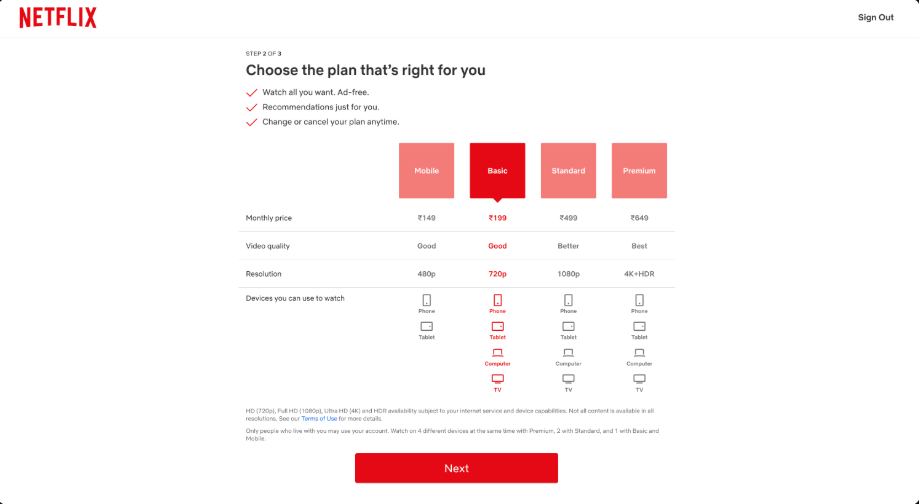
image.png

How do users currently reach Netflix’s pricing page?

Traffic SourcePricing CTA PlacementAssessment

Homepage

Top nav bar: “Plans” or “Join Now”

Visible, but not strongly emphasized

Logged-out Pages

"Finish Sign-up to Watch"

Focused more on content than pricing

Google Search (SEO)

“Netflix India Plans” → SEO-optimized page

Works well; strong organic rankings

Email Campaigns

Linked in onboarding emails

Could be more segmented and personalized

Mobile App

Post-sign-up paywall with pricing plans

Effective timing — shows value first

Referral/Partner Campaigns

Redirect to home page, not pricing

Missed opportunity for contextual CTA

Netflix Pricing Page – Structured Table

SectionElementPurpose / Behavioral Bias Applied

Header Banner

“Watch anytime, anywhere. Cancel anytime.”

Builds trust & flexibility upfront

Pricing Tier Display

-

Basic

: ₹199/month (480p)

-

Standard

: ₹499/month (1080p) –

Most Popular

-

Premium

: ₹649/month (4K+HDR)

Anchoring Bias + Decoy Effect; Most users pick mid-tier

Plan Comparison Tagline

“Best for couples and families watching on 2 devices”

Personalization + usage guidance

Bundle Offer Section

- 3 Months: ₹1104

- Annual Plan: ₹6480

Scratch Effect + Framing Bias for savings

What’s Included

✓ No ads, binge-ready UX

✓ Personalized recommendations

✓ Regional + global hits

✓ Offline downloads

Reinforces CVP; clarity boosts confidence

Conversion CTA

“Still deciding? Try Premium FREE for 7 days.”

Saree Shop Effect (Ownership Bias)

Referral CTA (optional)

“Got a referral link? Unlock 15% off your first plan.”

Reciprocity + personalized CTA for inbound traffic

Step 3: Behavioral Reasoning Behind Design Choices

ElementBias/PrincipleWhy it Works

Middle plan highlighted

Anchoring Bias

Most people pick the middle option

Bundled savings

Surround + Scratch Effect

Frame annual plan as a smarter choice

Free trial CTA

Ownership/Sunk Cost Effect

They start feeling like they own the service

User testimonials

Borrowed Trust

Builds credibility and reduces price anxiety

Plan-by-use explanation

System 2 vs System 1 Design

Makes plan choice thoughtful for high AOV

Referral/Geo-offers

Personalization

Shows the user is valued, improves conversion


📈 Expected Impact:

MetricExpected Result

Pricing page CTR

⬆ +20% via better placements and SEO

Conversion (Trial → Paid)

⬆ +15–25% with improved anchoring & bundles

Premium Plan Uptake

⬆ +30% with strong visual hierarchy

Session Time on Page

⬆ +40% from richer, more interactive design

Which system to go for?

  • The first time buying and repeat buying should both look different but in both the cases.
  • But Netflix being a high frequency and low AOV product, the purchase journey should be simple, logical and fast and its better to opt for system 1.
[object Object],[object Object],[object Object],[object Object],[object Object],[object Object],[object Object],[object Object]

Brand focused courses

Great brands aren't built on clicks. They're built on trust. Craft narratives that resonate, campaigns that stand out, and brands that last.

View all courses

All courses

Master every lever of growth — from acquisition to retention, data to events. Pick a course, go deep, and apply it to your business right away.

View all courses

Courses

Built by Leaders From Amazon, CRED, Zepto, Hindustan Unilever, Flipkart, paytm & more

View All Courses
Advanced Growth Strategy
Brand Led Growth
Creative Strategy
Storytelling
Data Led Growth
Event Led Growth
Partnership Led Growth
Tech for Growth
Go to Market
Growth Model Design

Crack a new job or a promotion with ELEVATE

Designed for mid-senior & leadership roles across growth, product, marketing, strategy & business

View All Resources

Learning Resources

Browse 500+ case studies, articles & resources the learning resources that you won't find on the internet.

Patience—you’re about to be impressed.